A brief history of Elmdon
|
Elmdon is a small area on the outskirts of the conurbation of
Birmingham and Solihull. To some in the Midlands, and perhaps
nationwide, it is best known for its Airport which is now known as
Birmingham International Airport with huge terminals and car parks.
Until comparatively recently, passengers who went from Birmingham went
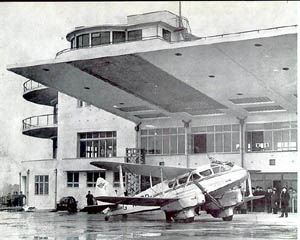
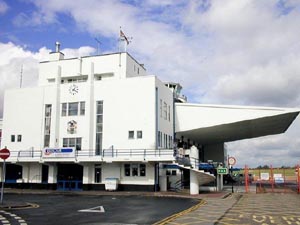
through a listed building known as Elmdon Airport.
>More old postcards of Elmdon Airport in the 1950's |
| There is another side to Elmdon and clues remain to this day which probably pass people by. A stroll through Elmdon Park refreshes the spirits with its mixture of open hilltop areas, woodland, wetlands and views over the City of Birmingham. Many people visit the church for Sunday teas in the Summer months. Ramblers walk up the cobbled path from the A45 (Birmingham to Coventry Road) past a small lodge and a big brick built house behind old iron fencing known as the Rectory. Modern farming activities are carried out whilst dog walkers skirt crops along hedgerows. |
|
| All these are clues to an Elmdon long gone but in its heyday this small parish boasted an illustrious past with fine buildings and noble people. | |
Elmdon Hall
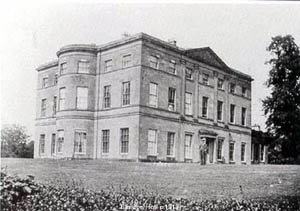
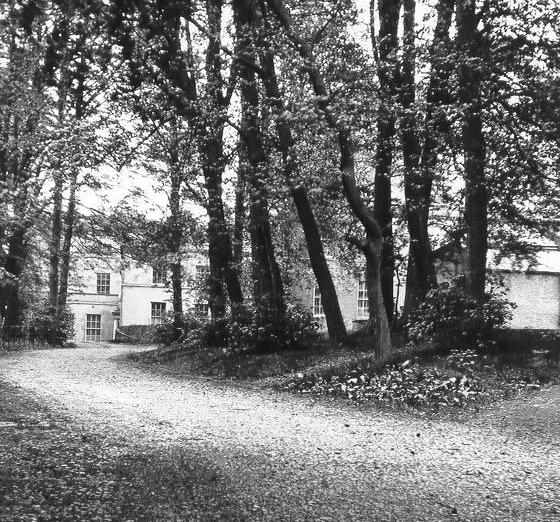
The stabling consisted of a coach house and also a smaller coach house, stabling for twelve horses, harness room, mews room, and open trap shed and corn store.In 1840 William Charles Alston purchased the Elmdon Estate at an auction sale at Dees Royal Hotel, Birmingham. The 1851 census of Elmdon shows William Charles Alston, his wife Elizabeth Ann, and five children living at the Hall. There was also a Coachman, Gardener, Tutor, Housekeeper, Head Nurse, Lady’s maid and seven House servants.
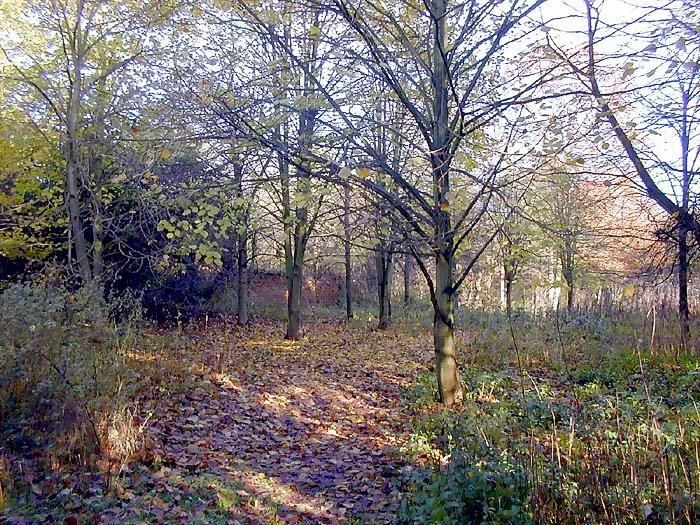
The Walled Garden
The Rectory |
||
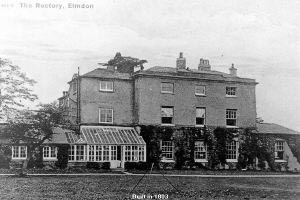 The Rectory C1900 |
This was the Rectory, built in 1803 by Isaac Spooner. His son William was the first occupant and he remained Rector for 54 years. He was the Archdeacon of Coventry and also held two other livings. His seventh child Catherine married A.C.Tait Headmaster of Rugby School, later to become the Archbishop of Canterbury. Living in the Rectory at the time of the 1851 census of Elmdon were nine members of the Spooner family, together with nine servants – a Butler, Housekeeper, Lady’s Maid, House maid, two servants and three nurses. | |
|
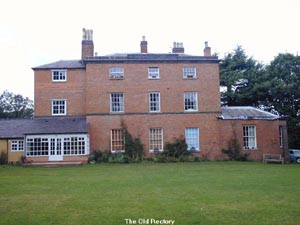
In 1948 the building was sold and became private residences with a
covenant that the title "Rectory" would not be used in the
name for the building.
The Old Rectory |
|
|
Elmdon Parish Church |
|
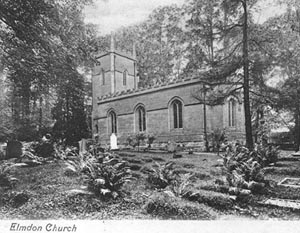 Elmdon Church c1900 |
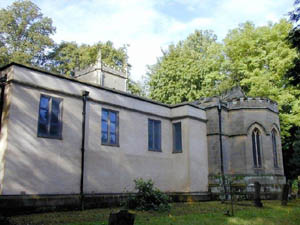
The existence of a Church in the parish is first recorded in the Calendar of Close Rolls for 1297 – the ‘Church of Elmdone’ had had ‘Edmund de Whitaker’ as its Parson. The Manor remained in the hands of various members of the ‘de Whitaker’ family until the mid 16th century. The Manor was then passed through several other hands until around 1760 it was sold to Abraham Spooner. It is in the period from Spooner onwards that Elmdon became a Manor with history and a great deal of interest. |
|
Elmdon Church and |
 |
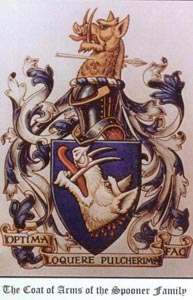
The Spooner family
|
|
|
|
The Spooner family were responsible for the buildings we see today at Elmdon – some still standing and used, some just outlines on the ground. Abraham Spooner built the Present Church on the site of an old Saxon Church just before his death in 1788. Spooner, although 90 years of age, oversaw the destruction of the old church because " The Ancient Edifice is become of late so very weak and dilapidated". (This may have been the reason that Abraham and Anne Spooner traveled 7 miles to St.Martin’s, Birmingham to have each of their seven children christened, rather than walk the short distance to the old Elmdon Church.) The new church was built upon the same site, largely using the old foundations and was completed in 1782. |
|
The estate of Elmdon passed to his son, Isaac Spooner, who rebuilt
Elmdon Hall and the Rectory. On his death the estate passed to his
son, Abraham Spooner Lillingston who died tragically after a tree fell
on him outside Whar Hall Farm in 1834. The estate was sold in 1840 to
the Alston family and remained in its possession until 1920 when a
large part of the estate was sold. In 1930 the rest of the estate was
auctioned off to various parties, and the glory days of Elmdon had
ended. The old parkland was ploughed up for agriculture and many fine
trees felled.
In 1944 the Hall and land was sold to Solihull Urban District Council. The Hall was used for housing the Home Guard during the war years, and then the building was left empty. The main staircase rotted and collapsed due to the roof letting in water as the lead had been stripped. The building became a gaunt and eerie relict of its glorious days gone by. The broken windows, unkempt lawns and cost of refurbishment had given the Hall its death sentence, and it was demolished in 1956. |
|