Birmingham's Heritage
|
HANDSWORTH OLD TOWN HALL
20 Slack Lane, |
|
|
|
|
|
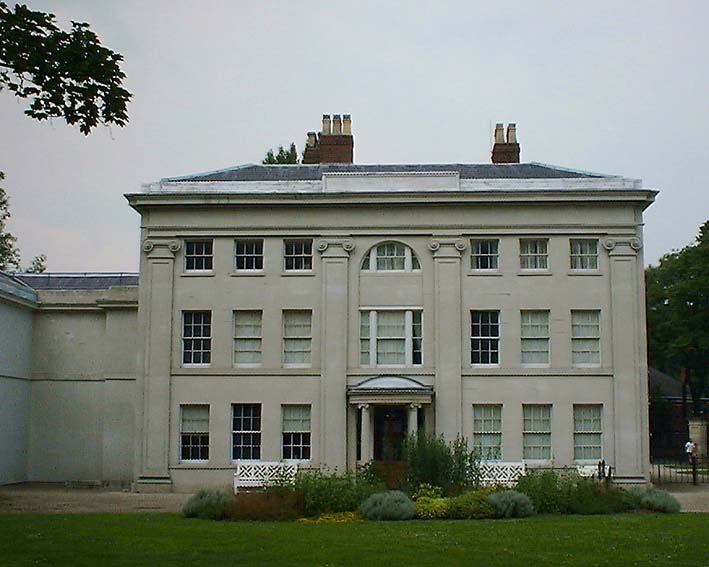
SOHO HOUSE MUSEUM Handsworth
The elegant home of industrial pioneer and entrepreneur Matthew
Boulton, who lived at Soho House from 1766 to 1809. Possibly the
first centrally heated English house since Roman times has been
restored to its 18th century appearance, with period room settings
(including some of Boulton's own furniture), Displays tell the story
of this fascinating man and his factory and family. Visitor Centre
with permanent exhibition on the Lunar Society, and temporary
exhibition gallery. |
|
|
|
|
St Mary's Church Handsworth,
St Mary's was built in about 1170 and is the burial place of Matthew
Boulton, James Watt and William Murdoch. St Mary's Church Handsworth is also known as 'the Westminster
Abbey of the Industrial Revolution'. |

|
|
|
|

|
The Old Birmingham Workhouse Founded 1734 in Lichfield Street, site of the Victoria Law Courts. As numbers increased a new Union Workhouse was called for. Designed by J.J. Bateman it opened its doors on 25th March 1852 on Western Road, Winson Green. Following the Introduction of the NHS in 1948 Birmingham Workhouse became Summerfield Hospital on Western Road. Summerfield Hospital has since been demolished, leaving one solitary building in the grounds. A The Workhouse Infirmary became Dudley Road Hospital, later re named City Hospital, Dudley Road. |
|
|
|
|
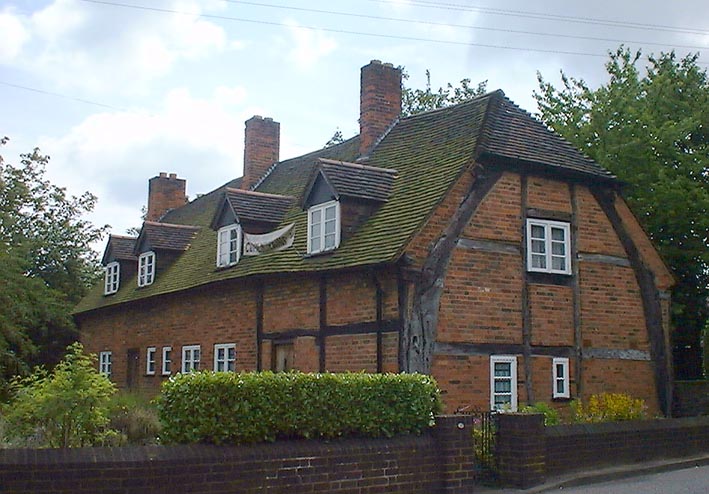
BISHOP ASBURY'S COTTAGE |

|
|
|
|
|
|
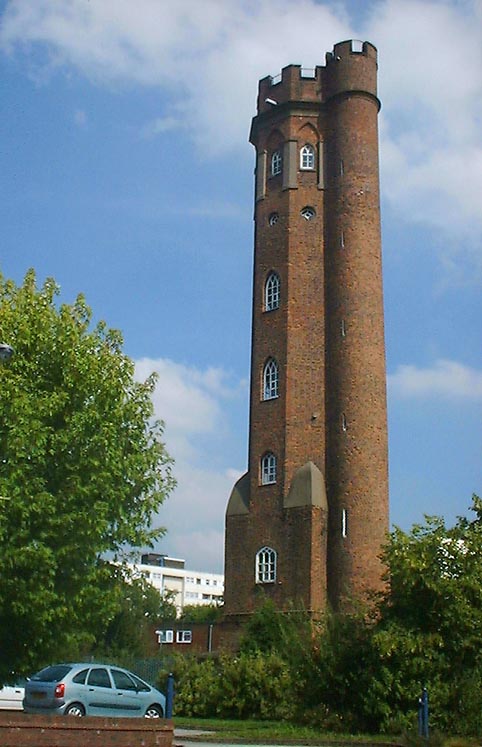
'Perrots Folly' Waterworks Road Ladywood �The Monument� is Birmingham's oddest architectural feature an extraordinary 96ft (29m) tower known as Perrott's Folly. It was built in 1758 by John Perrot. Mr Perrot lived in Belbroughton and had the tower built so that he could see the grave of his wife buried ten miles away.. Unfortunately the height of land at Clent prevented this. Thus the name "Folly" It is not open to the public however it is scheduled as an ancient monument
|
|
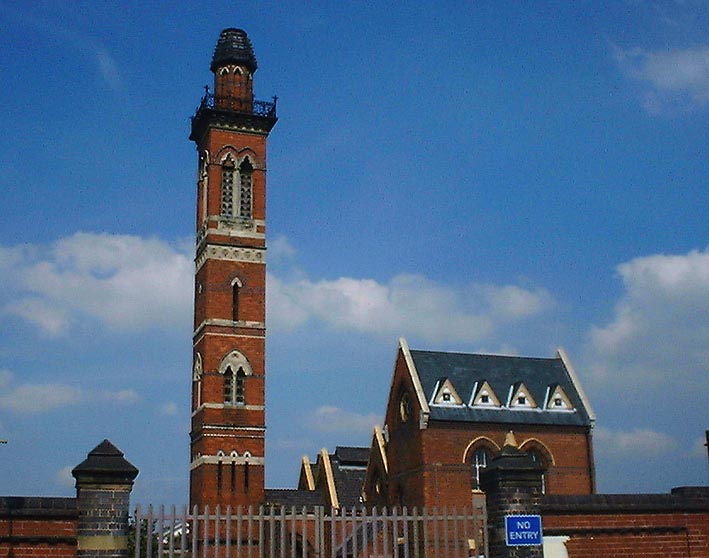
Also in Waterworks Road stands a later Victorian tower, as part of
the Edgbaston Waterworks. The pair are said to have suggested Minas
Morgul and Minas Tirith, the Two Towers after which the second
volume of the Lord of the Rings is named.
|
|